What is included in smart metering?
A deployment combines compatible meters, communications, data acquisition and the system that displays or uses the records. The required measurements and integrations guide the design.
Smart metering solutions connect compatible electricity, water and gas meters to a dashboard for remote readings, consumption history and configured alerts. Livwize focuses on sub-metering for plants, campuses, housing societies and multi-site businesses, combining meter integration, gateways and data records for site teams and billing workflows.
01
Revenue Protection
Tamper detection and real-time monitoring reduce theft.
02
Automated Billing
Eliminate manual reading errors and billing delays.
03
Demand Forecasting
Accurate load profiling for grid planning.
Remote Reading
Eliminate manual meter reading with automated data collection.
Tamper Detection
Instant alerts for meter bypass, magnetic interference, and unauthorized access.
Time-of-Use
Support for dynamic pricing and time-of-use tariff structures.
Overview
Livwize provides site sub-metering integration for plants, campuses, housing societies and multi-site businesses, with remote readings, consumption records and compatible billing-data workflows.
With 4G LTE and LoRaWAN connectivity options, our smart meters work reliably in urban and rural deployments, providing utilities with the data they need for efficient grid management and revenue protection.
Key Benefits
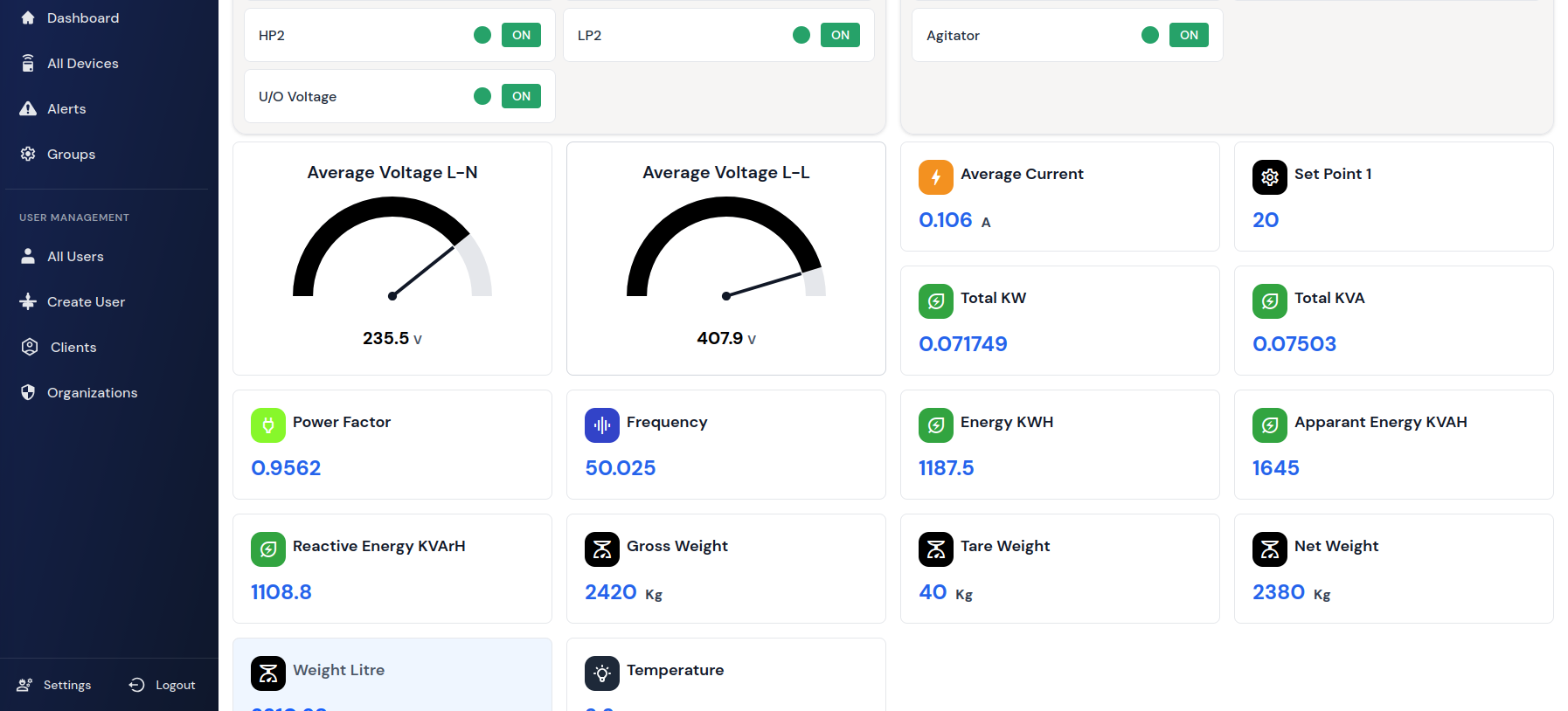
Use the utility metering measurements below to review conditions, investigate changes and coordinate the team responsible for the equipment.
Tamper detection and real-time monitoring reduce theft.
Eliminate manual reading errors and billing delays.
Accurate load profiling for grid planning.
Enable customers to track their own consumption.
Connect, disconnect, and firmware updates remotely.
Architecture supports millions of meter endpoints.
How It Works
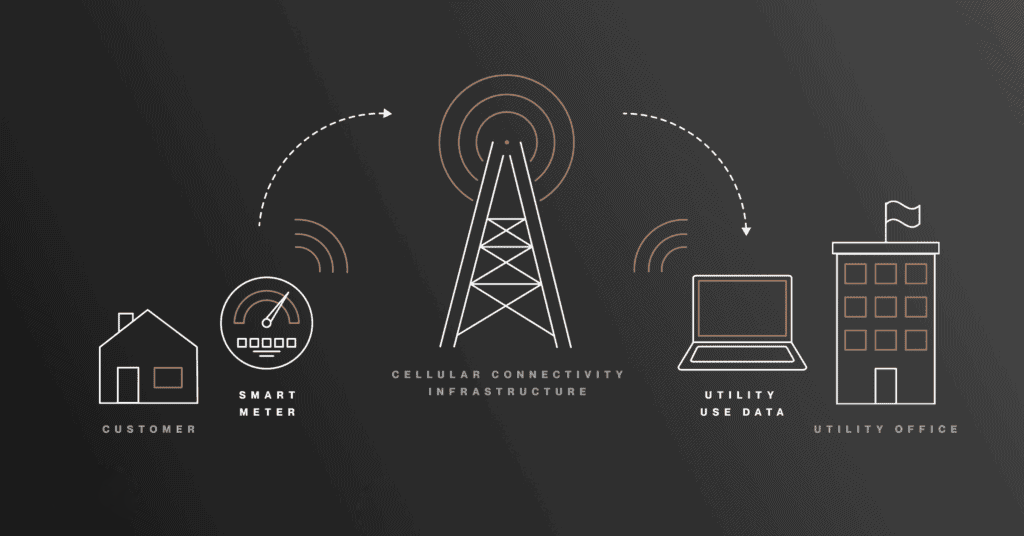
Install IoT-enabled meters at consumer premises.
Data transmitted via 4G LTE, RF mesh, or LoRaWAN.
Central platform aggregates and processes meter data.
Analytics, billing, and revenue management tools.
Applications
Match the utility metering configuration to the instruments, network and operator workflow at each installation.
Large-scale AMI deployment for distribution companies.
Smart water metering for municipal corporations.
Smart gas metering with safety sensors.
Sub-metering for office buildings and malls.
Multi-parameter metering for manufacturing plants.
Prepaid and postpaid metering for residential complexes.
A smart metering solutions provider connects the measurement at the meter to the team that uses the record. A complete deployment includes the meter, communications network, acquisition system and the dashboard or billing integration. Choosing the communications technology is only one part of that chain. The project must also define the meter identity, the unit of measurement and the time period represented by each reading.
For electricity, the operator may need a consumption total by site, a load profile for a building or readings from individual production circuits. For water and gas, the meter output and engineering units differ. Define these requirements before selecting the acquisition hardware so the resulting data can answer the intended operational question.
Livwize supports remote reading, consumption tracking, tamper alerts and utility dashboards. Connected data can reduce the need to collect every reading manually and make it easier to compare periods or locations. Billing and revenue workflows still require a clear mapping between the physical meter, its customer or asset record and the system that uses the data.
An IoT electricity metering box brings a compatible meter, communications equipment and the required installation components into one planned arrangement. It may serve a single connection or a group of circuits, depending on the design. Confirm the electrical supply, current-transformer arrangement where applicable, enclosure environment and access required by the installer.
The gateway must read the selected meter’s protocol and register map. Keep each register associated with its unit and scaling factor so a reading is interpreted correctly after transmission. Commissioning should compare representative dashboard values with the meter display and check that a reset or replacement can be identified in the records.
A site can use the same data for consumption review and operational alerts without treating every record as a billing-quality measurement. If the project needs a particular meter accuracy class or billing certification, specify it for the actual instrument. Enclosure rating, electrical ratings and protection arrangements should be agreed for the installation rather than inferred from a generic product description.
The parameter list depends on the meter type and its supported registers. The table describes the records to plan for, rather than claiming that one device measures electricity, water and gas at the same time. Confirm logging intervals and time-zone handling before comparing data across sites.
| Record | Unit / meaning | Integration check |
|---|---|---|
| Electricity consumption | kWh | Meter register and scaling |
| Electrical demand | kW or kVA, when supported | Averaging and reporting period |
| Water consumption | m³, when supported | Pulse factor or register scale |
| Gas consumption | Meter-defined volume unit | Output and compensation requirements |
| Meter identity | Asset or customer identifier | Match the physical instrument |
| Tamper / status event | Meter-supported event | Map code and timestamp |
| Reporting interval | Project configuration | Align gateway and dashboard |
Compatible Modbus RTU meters can be connected after reviewing the make, model, register map and scaling. Water and gas integration requires a supported meter output and correctly mapped units. Share the installed meter details to confirm compatibility; DLMS and a named meter-make list require model-specific confirmation.
A supplied project example for a Gurugram hospitality energy-management business combined load control and energy monitoring across properties. Its records included kWh, current, voltage, power and overload status for the operating team.
A deployment combines compatible meters, communications, data acquisition and the system that displays or uses the records. The required measurements and integrations guide the design.
Existing meters may be integrated when their output and protocol are compatible with the gateway. Check the model, register map or pulse output during the site survey.
Next Step
Modernize your metering infrastructure with IoT-enabled AMI solutions.