Is a CPCB IoT device mandatory?
Yes. Industries covered by CPCB's online monitoring directions must transmit emission and effluent data in real time to the CPCB and SPCB servers, and a DAQ system or IoT data logger is the device that does this.
Compliance Required
A CPCB IoT device, or DAQ system, is the data acquisition unit that connects a plant's CEMS and effluent analysers to the Central Pollution Control Board's real-time monitoring servers. It reads each analyser over Modbus RTU/TCP, time-stamps the values and transmits them at 15-minute or configurable intervals.
CPCB-Compliant IoT Data Acquisition Device for CEMS, CEQMS & OCEMS Integration. India’s environmental regulations have evolved rapidly—today, real-time pollution monitoring is mandatory for industries under Central Pollution Control Board.
Transmission
15-min / configurable intervals
Integration
Modbus RTU / TCP
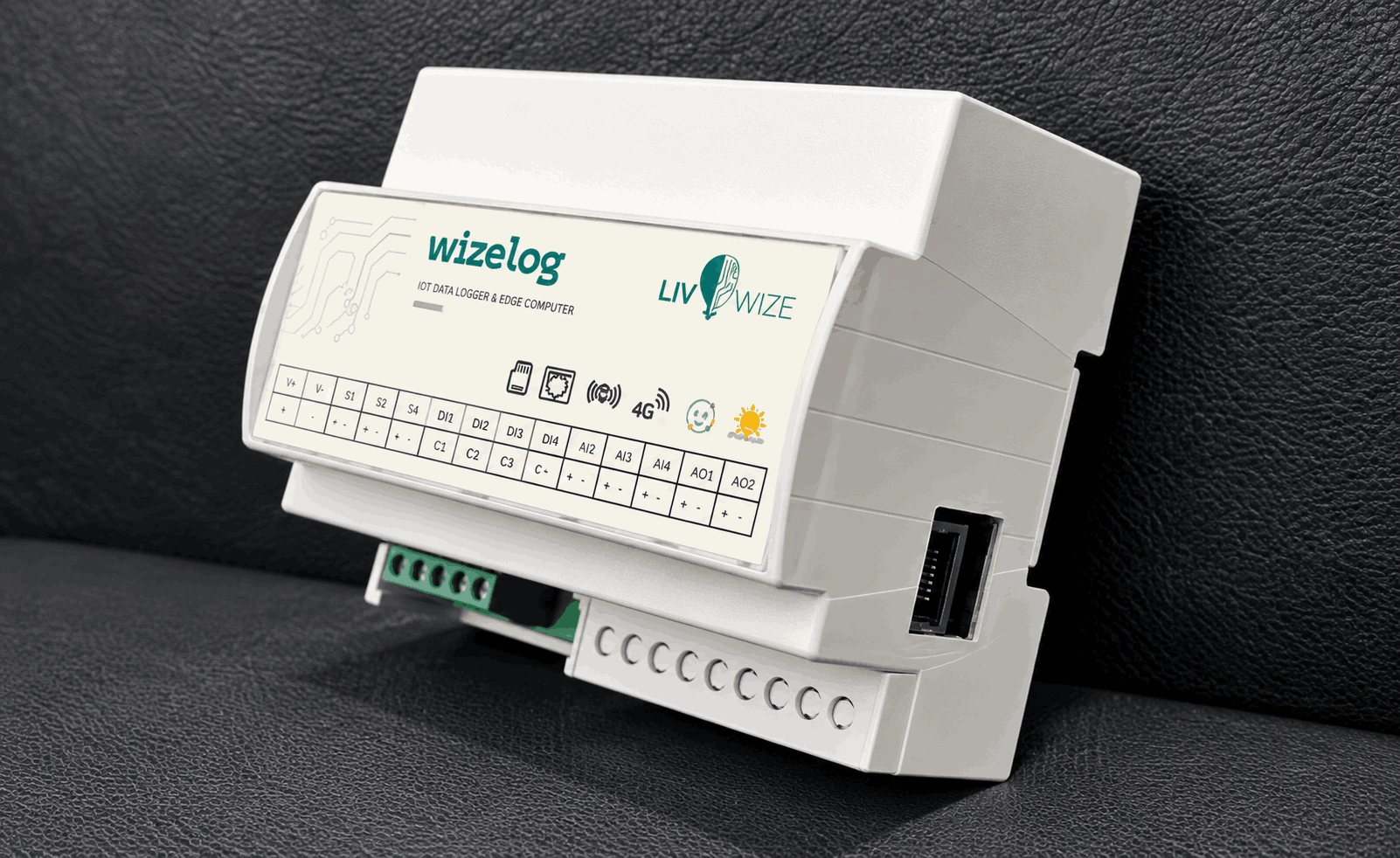
Overview
A CPCB IoT Device is a Data Acquisition & Transmission System (DAQ) that: Collects data from analyzers (stack, effluent, ambient) Processes and validates readings Transmits real-time data to CPCB/SPCB servers Ensures compliance with OCEMS protocols As per CPCB framework: Industries must implement continuous monitoring systems with real-time connectivity
If your plant is not connected via a CPCB IoT device (DAQ system), you are already at risk of: • Non-compliance notices • Penalties under Air & Water Acts • Plant shutdown directives • CPCB mandates: • Direct real-time data transmission to central servers • Secure, tamper-proof data logging • Standardized API-based integration (TPDS framework)
Built strictly as per CPCB OCEMS architecture and protocols
Executed across multiple industrial clusters
Works with all major analyzers and legacy systems
Delivery Scope
We provide a turnkey compliance solution:
Recent regulatory directives require: • 24×7 emission and effluent monitoring • Integration with centralized CPCB portals • Automated alerts for exceedance • CPCB has mandated industries to connect monitoring systems to OCEMS portals for real-time reporting Data is typically transmitted every 15 minutes via IoT data loggers
Connect compatible emission and effluent analysers to the data acquisition device.
Review readings and connection status across monitored sites from a central dashboard.
Configure timestamped data transmission to the required CPCB and SPCB endpoints.
Commission the field connections, gateway configuration and data transmission on site.
We don’t just supply devices—we ensure approval success
Capabilities
Integrated CPCB IoT DAQ across multi-location industrial plants • Enabled real-time reporting to CPCB RTDMS portals • Achieved >95% uptime compliance • Reduced manual reporting efforts by 90%
Pre-configured for CPCB data formats • Compatible with TPDS API submission
Modbus RTU / TCP • MQTT / HTTP / FTP • PLC, SCADA, and analyzer compatibility
Encrypted data transmission • Local buffering + audit trails • No data loss during network failure
Automated push to CPCB/SPCB servers • 15-min / configurable intervals
Threshold-based alerts • SMS/email triggers • Predictive analytics ready
Local storage + auto sync ensures compliance continuity
Workflow
CPCB systems require: Data logging Secure communication Remote monitoring capability
Target Markets
CPCB mandates monitoring across 17 highly polluting sectors, including: These sectors must implement CEMS/CEQMS systems with IoT-enabled DAQ integration
The interfaces and transmission capabilities below describe the CPCB IoT DAQ system. Match the selected hardware and station configuration to the plant’s analyser outputs and reporting requirements.
| Specification | Capability |
|---|---|
| Industrial interfaces | Modbus RTU / TCP; integration with analysers, PLCs and SCADA |
| Data protocols | MQTT, HTTP and FTP |
| Connectivity | 4G / Ethernet |
| Transmission interval | 15 minutes / configurable, subject to the station requirements |
| Data protection | Encrypted transmission, local buffering and audit trails |
| Monitoring | Threshold-based alerts and cloud dashboard |
The DAQ reads the configured CEMS and effluent analyser outputs and associates each reading with a parameter, unit and timestamp. It sends records over 4G or Ethernet to the configured CPCB RTDMS and SPCB destinations. The published transmission interval is 15 minutes or a station-specific configuration. Local buffering supports transmission recovery when the network returns.
The DAQ is also called an OCEMS data acquisition and management system (DAS).
Use the IoT sensors guide to compare measurement types and interfaces for the installation.
Yes. Industries covered by CPCB's online monitoring directions must transmit emission and effluent data in real time to the CPCB and SPCB servers, and a DAQ system or IoT data logger is the device that does this.
OCEMS (Online Continuous Emission/Effluent Monitoring System) is CPCB's framework for real-time pollution monitoring: analysers measure stack emissions and effluent continuously and the readings are sent to the regulator's servers.
Yes. It reads analysers, PLCs and SCADA systems over Modbus RTU/TCP and sends data over MQTT, HTTP or FTP.
Yes. The device is configured for the State Pollution Control Board portal as well as the CPCB server, and Livwize installs and commissions it across India.
Ready to Deploy
Avoid penalties. Ensure compliance. Future-proof your industrial operations. Talk to our experts for CPCB IoT Device deployment across India