IoT Hardware & Embedded Engineering

Custom IoT Product Development with OEM/ODM Support

Livwize is an IoT product development company in India that takes a device from idea to production: electronics and PCB design, firmware, enclosure, connectivity, cloud and app. It also manufactures the finished product under OEM or ODM terms, so one team is responsible from the first prototype to the units shipped.

Custom IoT Product Development with OEM/ODM Support

Define the IoT product and acceptance criteria

Start with the measurements, user workflow and installation environment. Livwize brings electronics, PCB layout, embedded firmware, enclosure and cloud or app development together, so the field device and its software can be tested as a complete product.

Start with the user, measurement or control problem and the environment in which the product will operate. Identify the interfaces, power source, connectivity, expected quantity and service model. Agree what the prototype must demonstrate and how the production unit will be accepted before choosing parts or starting a detailed design.

  • Define: agree sensor inputs, connectivity, user experience and engineering deliverables.
  • Prototype: develop and integrate the electronics, firmware and enclosure.
  • Validate: test measurement handling, connectivity, data flow and the installation workflow.
  • Produce: agree manufacturing configuration, quantity, handover and support.

Hardware and PCB design

Hardware design translates the product brief into sensing, processing, power and interface requirements. The design review should cover the electrical environment, connectors, protection, radio placement and access for assembly and service. Component availability and the intended production process also affect the bill of materials.

Prototype bring-up checks the board against its design before field behaviour is assessed. Agree the measurements, interface checks and records needed at this stage, and resolve changes in the schematic, PCB and bill of materials together. A controlled design record helps keep later production units aligned with the tested version.

Firmware and device connectivity

Firmware acquires sensor values, manages communications and defines how the device starts, reconnects and reports its status. Choose field protocols and cloud messages from the interfaces the product actually needs. A useful integration defines units, timestamps and device identity as clearly as the value being transmitted.

Plan diagnostics, configuration and the response to interrupted power or connectivity. If remote firmware updates are required, include access control, version tracking and a recovery procedure in the scope. Test the update and restart sequence on representative hardware before treating it as a production support feature.

Enclosure and installation design

The enclosure must support the way the device is mounted, powered, connected and maintained. Review cable entry, connector access, labels, display visibility and radio performance with the mechanical layout. Indoor and outdoor installations can need different materials, seals and mounting arrangements.

Agree environmental and ingress requirements for the finished assembly. A component’s rating does not establish the assembled product’s IP rating. Check the prototype with its actual connectors, cable glands and fastening method, and document the assembly process so the intended protection can be reproduced.

Cloud platform and app integration

The connected software receives device records, stores them with the correct context and presents the functions needed by operators or customers. Define the dashboard, history, alerts, user roles and any integration with existing systems. Decide which actions belong on the device and which need a network connection.

Agree the API, data ownership, retention and handover requirements alongside the hardware scope. A working prototype should demonstrate the complete path from a real device measurement to the intended application view, including a missing reading, a reconnect and the configured alert route.

Custom IoT application development

Custom IoT application development covers web dashboards, mobile experiences and business-specific workflows around the device. A maintenance team may need asset history and alert acknowledgement, while a grower may need zone readings and irrigation status. Start with those tasks and the people who perform them.

Use representative field data while reviewing the interface. Check site and device labels, units, time zones, permissions and the meaning of unavailable values. Agree which reports and exports are required and confirm how the application will be supported after the first production shipment.

Certification and product validation

Identify applicable product and market requirements during planning so testing can influence the design. Radio, electrical and environmental requirements depend on the finished product and its intended use. Confirm the required laboratory work, documentation, responsible parties and acceptance criteria in the project agreement.

Company certifications and component approvals do not automatically certify a new finished device. Keep the selected component records, test reports, firmware version and enclosure configuration associated with the design being evaluated. The manufacturing release should use the configuration that passed the agreed validation.

IoT device manufacturing in India

Livwize offers OEM/ODM manufacturing support in India, following the agreed hardware, firmware and enclosure scope. Define the production quantity, sourcing plan, approved substitutions, assembly records and test procedure for the order. A pilot batch can check whether the design and test process work consistently before a larger build.

Agree functional checks and any calibration procedure for each unit, together with the reports the buyer needs. Traceability should connect the unit identity, board revision and firmware to the production record. Packaging, labels, accessories, installation instructions and service access belong in the release plan.

Production capacity, minimum order quantity, calibration-report format and delivery timing must be confirmed for the individual product. The available company material does not establish a universal monthly capacity or fixed MOQ. Send the forecast and required test documentation so these commitments can be included in the quotation.
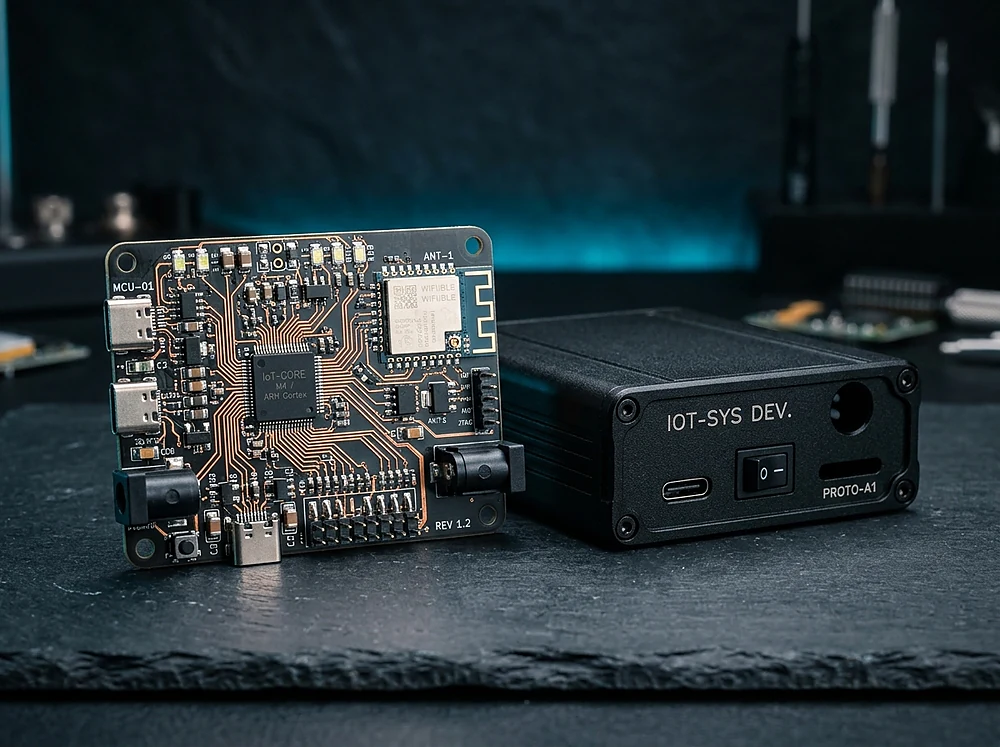
OEM/ODM integration examples

An agricultural research greenhouse integration in Delhi combined temperature, humidity, light, pH, EC and CO₂ monitoring with coordinated airflow, irrigation and pump control. This is an anonymised example of application-specific connected sensing and controls.

A key-cutting machine fleet in NCR combined Wi-Fi machine-health records, cutter-use tracking and energy data with a rental-control function. This is an anonymised example of adapting connectivity and software to the machine operator’s workflow.

Frequently asked questions

What is the difference between OEM and ODM?

OEM production builds units to a customer-defined product specification or design. ODM work includes product design as well as manufacturing; the agreement defines which engineering tasks and deliverables Livwize supplies.

How long does it take to develop a custom IoT device?

The timeline depends on electronics, firmware, enclosure, connectivity, validation and production requirements. Share the product brief and target quantity so the team can propose milestones for prototype, testing and manufacture.

Who owns the design and firmware?

Design, source-code and firmware ownership are agreed in the project contract. Confirm the required deliverables, licensing, maintenance access and handover arrangements before engineering begins.

What is the minimum order quantity for production?

Minimum production quantities depend on the design, components, enclosure and manufacturing process. Ask Livwize for a project-specific quotation; no universal MOQ is published for custom products.